Research Poster
Research Poster
Organize your content: Divide your poster into sections, including an introduction, methodology, results, discussion, and conclusion. Clearly label each section to guide viewers through your research.
Keep it visually appealing: Use a visually appealing layout with clear headings, subheadings, and a logical flow of information. Use fonts that are easy to read from a distance and maintain consistency in font styles and sizes throughout the poster.
Use visuals wisely: Incorporate graphs, charts, tables, images, and diagrams to present your data and findings. Ensure they are clear, concise, and visually appealing. Use color strategically to highlight important information, but avoid overwhelming the poster with excessive visuals or distracting backgrounds.
Simplify your text: Keep your text concise and avoid lengthy paragraphs. Use bullet points, short sentences, and phrases to convey key information. Focus on conveying the main points of your research rather than providing excessive detail.
Use a logical flow: Arrange your content in a logical sequence that is easy for viewers to follow. Begin with an engaging title, followed by an introduction, research question, methodology, results, discussion, and conclusion. Use arrows or other visual cues to guide the reader through the content.
Highlight key findings: Emphasize the most important findings or conclusions by using larger font sizes, bold text, or color. This helps draw attention to the key aspects of your research.
Provide a clear takeaway message: Summarize the main message or takeaway from your research in a concise and impactful statement. This helps viewers quickly understand the significance of your work.
Include contact information: Provide your name, affiliation, and contact details (such as email or website) on the poster. This allows interested viewers to get in touch with you for further discussion or collaboration.
Practice your presentation: Familiarize yourself with the content of your poster and practice explaining your research concisely and effectively. This will help you engage with viewers and answer questions during presentations or discussions.
Proofread and review: Double-check your poster for spelling and grammatical errors. Have colleagues or mentors review your poster for feedback and suggestions for improvement.
Remember that an effective research poster should be visually appealing, informative, and engaging. It should clearly convey the main aspects of your research and captivate viewers' attention.
Here is an example research poster you can reference:
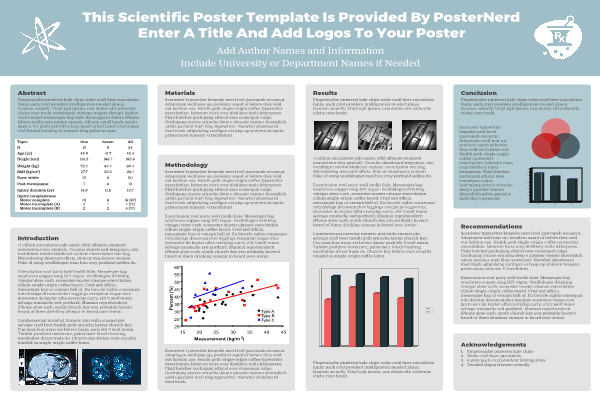
To create a research poster: find a template from the following site: https://tinyurl.com/2jdbujus. Use the site to download a template poster and modify it to fit your needs.
The research poster will be very useful if you plan to participate in science research competitions/fairs as this is the main modality that these competitions use.
Last updated